
Can a Leak in the Roof Repair Itself?
The question that people always ask themselves is, can a leak in the roof repair itself without any help? It’s a fair thought, especially when the rain stops, and everything seems quiet again. However, the answer is still no; it cannot fix itself. Water keeps searching for a way in, little by little, and the damage keeps growing. So, let’s slow things down and look at why this belief hangs around and what really happens over time.
Why Some Homeowners Hope Roof Leaks Will “Fix Themselves”
Many people notice a small drip from the ceiling after a storm. Then, they think the problem might go away on its own. After all, the sun comes out and dries things up. But this hope often comes from wanting to avoid repair costs right away.
Sometimes, a busy schedule makes folks put off checking the roof. They figure if the leak stops showing inside, it must be fine. However, ignoring it can lead to bigger issues later. So, that quick-fix mindset rarely works out.
People also remember small household issues that seemed to solve themselves. A loose shingle shifts back into place, or debris washes away. But when people ask can a leak in the roof repair itself, they’re overlooking how water quietly eats away at materials over time. Roof leaks simply don’t work that way.
What Actually Happens When a Roof Leak Is Left Alone
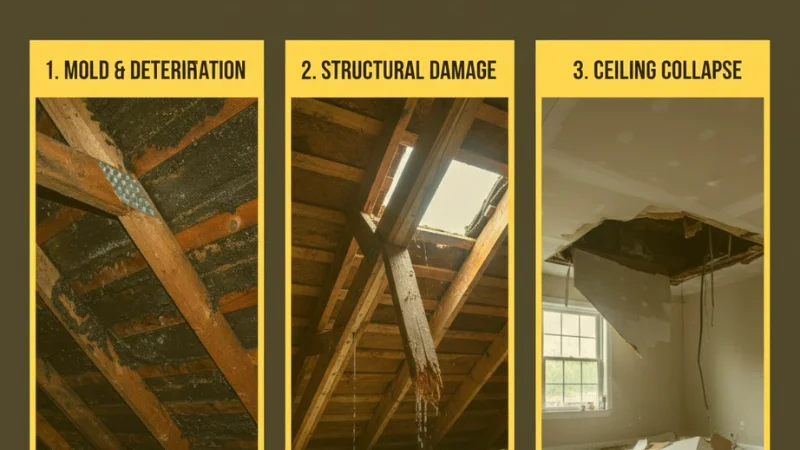
Water from a leak seeps into hidden spots. Over days, it soaks wood and insulation. Then, mold starts growing in damp areas. As a result, the structure weakens without you noticing.
Ignored leaks let more rain enter during the next storm. This cycle makes the hole bigger. Furthermore, pests might find their way in through the wet spots. So, what seems small turns serious fast.
Roofing materials also break down under constant dampness. Shingles curl, crack, or slip. At that point, the damage spreads beyond one spot. That’s why askingcan a leak in the roof repair itself leads to costly disappointment later.
Small leaks that slowly grow
A tiny crack might start from hail or branches. At first, it lets in just a few drops. But as the weather changes, the gap widens. Therefore, that slow growth catches many off guard.
Freezing temperatures make things worse in winter. Water inside expands and pushes materials apart. Then, spring thaws reveal larger problems. So, seasonal shifts accelerate the damage.
Homeowners often miss these changes up high. Without regular checks, the leak evolves quietly. However, climbing up occasionally can spot early signs. And that prevents major headaches later.
Hidden damage you don’t see at first
Leaks travel along beams before dripping inside. So, you might not spot stains right away. But behind walls, rot sets in. As a result, support structures lose strength over time.
Insulation gets soggy and loses its purpose. Then, energy bills rise from poor temperature control. Furthermore, electrical wires nearby face risks from water. Therefore, safety concerns build up unseen.
Attic spaces hide much of this trouble. Dust and darkness make inspection hard. Yet, a flashlight reveals wet spots or dark marks. So, early looks save big trouble.
Signs Your Roof Leak Needs Attention Now
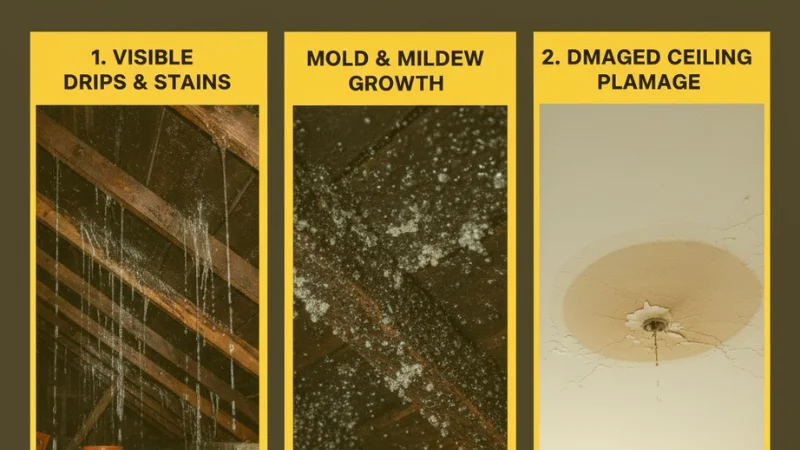
Water stains on ceilings signal trouble above. These brown rings grow if ignored. Then, peeling paint follows soon after. So, act when you first see them.
Dripping sounds during rain mean active leaks. But even without noise, check for damp spots. Moreover, musty smells hint at mold. As a result, health issues could arise.
Sagging areas in the roof line show advanced damage. Shingles that look buckled need quick fixes. Therefore, don’t wait for worse signs. And call for help before storms hit again.
Can You Repair a Roof Leak on Your Own?
Some leaks seem simple to patch. With basic tools, you might seal a small hole. However, safety comes first on high roofs. So, think twice before climbing up.
DIY works for minor issues like loose flashing. But deeper problems need pro skills. Furthermore, wrong fixes can worsen leaks. Therefore, know your limits.
Assess the roof type before starting. Asphalt shingles differ from metal ones. Then, gather the right materials. And follow the steps carefully to avoid mistakes.
When DIY fixes might work
For fresh, small leaks, tape or sealant helps temporarily. Apply it on dry days for the best hold. Then, monitor for more water. So, this buys time until the pros arrive.
If the source is obvious, like a cracked tile, replace it yourself. Hardware stores sell matching pieces. However, ensure the area is clean first. As a result, the fix lasts longer.
Flat roofs allow easier access for patches. Use rubber membranes for quick covers. But test for leaks after. Therefore, DIY suits low-risk spots.
Common mistakes that make leaks worse
Using the wrong sealants leads to poor bonds. For example, indoor caulk fails outside. Then, water sneaks back in. So, choose weatherproof options always.
Climbing without safety gear risks falls. Moreover, stepping on weak spots cracks more shingles. Consequently, one fix creates new problems. And that doubles the work.
Ignoring the root cause fixes nothing long-term. Surface patches hide deeper rot. Therefore, inspect thoroughly first. But pros handle this better.
Finding the Source of a Leak the Right Way
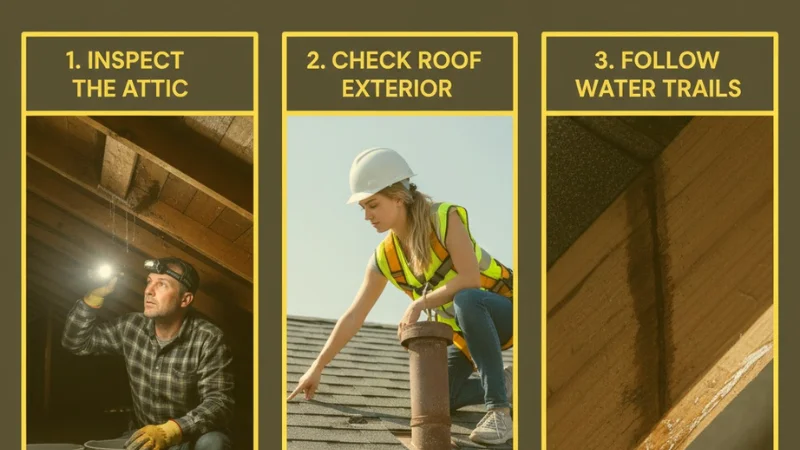
Start from inside during rain to trace drips. Follow water paths up to the roof. Then, mark spots for outside checks. So, this method pinpoints origins.
Use a hose on dry days to simulate rain. Spray sections and watch inside for leaks. Furthermore, work from the bottom up. As a result, you isolate the area.
Involve a partner for better results. One sprays while the other watches. However, avoid over-wetting to prevent extra damage. And dry things after testing.
Tricky areas where leaks like to hide
Chimneys often leak at flashing joints. Water pools there easily. Then, it seeps under shingles. So, check seals around stacks first.
Valleys between roof slopes collect debris. Leaves block water flow. Consequently, backups cause leaks. Therefore, clean them regularly.
Skylights and vents have complex edges. Seals wear out over the years. But inspecting edges reveals cracks. And that guides proper roof leaking repairs in New Jersey.
How Roofers Repair a Leak Without Replacing the Whole Roof
Pros inspect the entire roof first. They find all weak spots. Then, they remove damaged parts. So, targeted fixes save money.
Flashing gets replaced around problem areas. New metal sheets block water. Furthermore, sealants secure edges. As a result, leaks stop without full overhauls.
Shingles are swapped in affected zones. Matching colors keeps looking good. However, underlayment might need patching, too. Therefore, the roof stays strong.
When a Full Roof Replacement Might Be the Better Option
Old roofs with many leaks need total renewal. Patching won’t hold long. Then, new materials prevent future issues. So, consider age in decisions.
Widespread damage from storms calls for replacement. Spot fixes fail in big areas. Moreover, insurance might cover costs. As a result, it’s worth the investment.
Energy efficiency improves with modern roofs. Better insulation cuts bills. Therefore, upgrades pay off over time. And peace of mind follows.
Costs: DIY vs. Professional Leak Repair
DIY materials run low, around $50 for basics. Tools add a bit more if needed. But time spent counts too. So, it’s cheap for simple jobs.
Pro repairs start at $300 for small leaks. Complex ones hit $1,000 or more. However, they include warranties. Therefore, value shows in lasting results.
Factor in roof type and location. Steep pitches raise pro fees. Furthermore, emergency calls cost extra. As a result, plan to save.
Simple Steps to Prevent Future Leaks
Clean gutters twice a year. Clogs cause water backups. Then, overflows hit the roof. So, this keeps the flow smooth.
Trim trees near the house. Branches rub and damage shingles. Moreover, falling limbs punch holes. Therefore, safe distances protect.
Inspect after big storms. Look for missing pieces. However, stay safe on the ground if possible. And fix small issues early.
Final Thoughts: Can a leak in the roof repair itself?
Roof leaks don’t fix themselves. Ignoring them leads to costly damage. But quick action keeps homes safe. So, regular checks make all the difference. Think of your roof as a shield. It needs care to work well. Therefore, address leaks right away. And enjoy dry, secure living.