
How Long Does a TPO Roof Last?
People often wonder, How long does a TPO roof last? A standard TPO roof can last between 15 and 30 years, depending on factors like location, installation quality, and upkeep. Understanding these elements helps you make a smart choice for your building’s longevity.
The material’s design plays a key role in its durability. For example, it resists UV rays better than some older types. However, extreme conditions can shorten that time. Therefore, many owners plan for around 20 years on average.
Real-world examples show roofs lasting longer with care. As a result, regular attention pays off. Yet, poor handling leads to early roof replacements in NJ. Thus, it’s a solid option for long-term use.
Quality from the start affects the overall time. Consequently, trusted makers provide better results. But budget cuts might reduce years. Also, warranties often cover 10 to 20 years.
What Is TPO Roofing? | How Long Does a TPO Roof Last
TPO roofing is a single-ply membrane used mainly on flat or low-slope roofs. It combines polypropylene and ethylene-propylene rubber. This mix makes it both flexible and tough. Therefore, it’s common in commercial settings.
The installation involves rolling out large sheets and securing them. Workers use heat welding for seams. However, mechanical fastening is another method. As a result, it creates a waterproof barrier. One big plus is its reflective surface. White TPO bounces back sunlight. But darker colors are available too. Thus, it helps lower cooling costs in warm areas.
TPO emerged in the 1990s as a greener alternative. It replaced older materials with issues. Yet, it still evolves with better formulas. So, modern versions handle more stress. This type suits warehouses and schools well. For instance, it covers large areas quickly. However, it’s not ideal for steep pitches. Therefore, check your building first.
Typical Lifespan of a TPO Roof
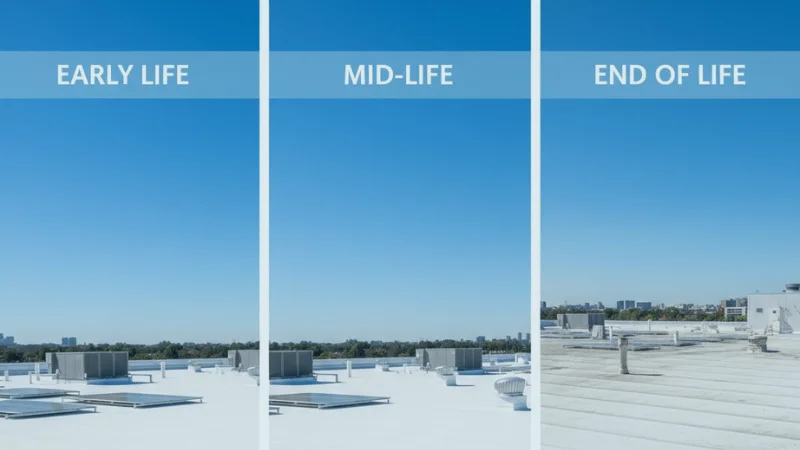
On average, a TPO roof serves for 15 to 25 years. Some push to 30 under ideal setups. However, real life varies by region. Therefore, 20 years is a common expectation. Studies from makers back these numbers.
For example, lab tests simulate years of wear. But field data confirms them too. So, owners use this to budget. Warranties often match the lower end. As a result, they cover defects up to 20 years. Yet, proper use extends beyond that. Thus, it’s reliable for most needs.
Location influences the actual time. Mild climates see longer spans. However, hot or windy spots wear it faster. Also, add-ons like roof coatings in New Jersey help. Records show some roofs hit 35 years. Consequently, good practices make a difference. But neglect cuts it short. Therefore, track your roof’s age if you want to know how long does a TPO roof last in your area.
Factors That Influence TPO Roof Longevity
Many elements decide a TPO roof’s lasting power. First, how it’s put on sets the base. Weather then tests it daily. So, these combine to shape the outcome. Upkeep routines add or subtract years. For example, clean surfaces resist damage. But dirt buildup causes issues. Therefore, habits are crucial.
Use of the roof matters too. Heavy walking wears layers thin. However, limited access preserves it. Thus, control what happens on top. Building design plays a part. As a result, good drainage prevents pools. Yet, poor slopes hold water. Also, nearby trees drop debris.
Overall, multiple factors interact. Consequently, one weak link shortens life. But strong ones extend it. Therefore, address all for the best results.
Installation Quality
Skilled teams ensure a long-lasting TPO roof. They align sheets without bubbles. However, mistakes create weak points. So, hire experienced crews.
The right tools make seams secure. For instance, heat guns melt edges together. But cold weather needs extra care. Therefore, timing helps. Base prep is key before laying. Clean decks avoid trapped dirt. Yet, skips lead to lifts. Thus, full steps build strength.
Follow maker guides strictly. As a result, warranties stay valid. However, shortcuts void them. Also, test for leaks. Final checks catch oversights. Consequently, early fixes save later costs. But ignore and problems grow. Therefore, quality starts day one.
Climate and Weather Exposure
Local weather heavily impacts TPO lifespan. The sun in hot areas fades the top. However, coatings shield it. So, plan for your zone.
Rain tests waterproofing over time. For example, heavy downpours stress seams. But good slopes shed water fast. Therefore, design aids. Wind can lift edges if not secured. As a result, anchors matter in gusty places. Yet, calm regions face less risk. Thus, adapt to conditions.
Snow adds weight in cold spots. Consequently, thick material handles it. However, melts cause ponds. Also, freeze-thaw cycles crack weak spots. Extreme events like hail dent surfaces. But reinforced types bounce back. Therefore, choose based on history. So, weather dictates care needs.
Foot Traffic and Impact Damage
Roofs with lots of visits wear quickly. People carry tools that scratch. However, walk pads protect paths. So, guide traffic smartly. Dropped items poke holes easily. For instance, HVAC work risks this. But covers during jobs help. Therefore, prep prevents harm.
Debris from storms adds impacts. As a result, branches or rocks mark it. Yet, quick cleanup stops that. Thus, post-event checks matter. Limit unnecessary trips up top. Consequently, it stays intact longer. However, service needs require care. Also, signs warn of soft spots.
Overall, managing use to extend life. But ignore, and roof leak repairs in New Jersey pile up. Therefore, rules keep damage low. So, balance access with protection.
Maintenance Habits
Consistent care boosts TPO roof life. Schedule checks twice yearly. However, add after bad weather. So, stay proactive. Remove dirt and leaves gently. Water and soft brushes work. But pressure washers harm. Therefore, mild methods are preserved.
Fix small tears promptly. Patches seal them tight. Yet, delay lets water in. Thus, a quick response saves. Log all actions for records. As a result, patterns show early. However, no notes miss trends. Also, pros handle big jobs.
Train staff on basic tasks. Consequently, daily eye spot issues. But pros do deep cleans. Therefore, team effort works best.
How TPO Thickness and Material Quality Affect Lifespan
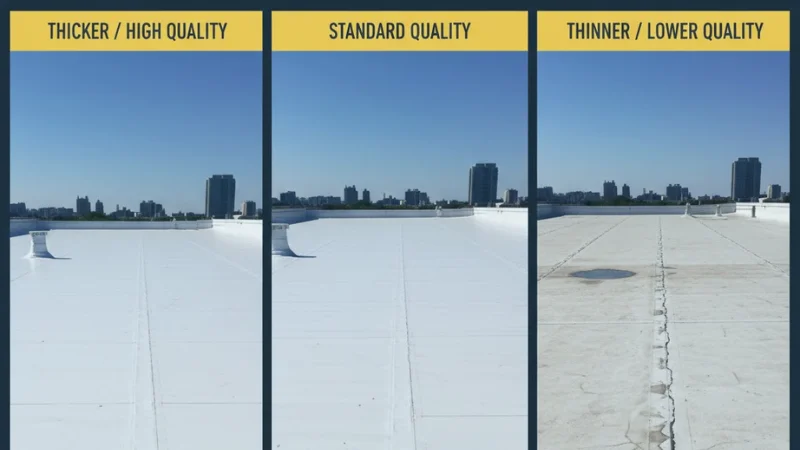
Thicker TPO membranes last longer overall. 60-mil versions outperform 45-mil. However, all depend on the make. So, check specs. Quality ingredients resist breakdown. For example, UV stabilizers fight fading. But low-grade fades quickly. Therefore, brands matter.
Reinforcements add puncture strength. As a result, they handle hits better. Yet, basic ones suit light use. Thus, match to needs. Testing shows thick ones flex less. Consequently, cracks form more slowly. However, cost rises with size. Also, installation affects too.
Better materials hold color longer. So, energy savings continue. But cheap shift tones fast. Therefore, invest for returns. Layers bond in high-end products. For instance, scrim inside adds tear resistance. Yet, without it, rips spread. Thus, quality extends use.
Maintenance Practices That Extend Roof Life
Routine inspections find problems early. Look for cracks or bubbles. However, mark them for fixes. So, the vent spread. Clean surfaces remove harmful buildup. Use brooms for loose stuff. But avoid sharp tools. Therefore, keep gentle.
Apply sealants on edges yearly. As a result, they stay watertight. Yet, worn ones leak. Thus, refresh as needed. Drain checks ensure flow. Clogs cause ponds. However, clear them out. Also, trim nearby plants.
Documents wear over time. Consequently, predict the end of life. But no records surprise you. Therefore, logs help plan. Train on safe access. So, reduce accidental harm. However, rules guide all. Thus, practices build longevity.
TPO vs. Other Roofing Materials (PVC, EPDM)
TPO, PVC, and EPDM offer flat roof options. Each handles weather differently. However, prices set them apart. So, weigh the pros. TPO is lightweight and easy to place. As a result, labor costs drop. But PVC resists grease well. Therefore, food spots like it.
EPDM is a thick rubber sheeting. It stretches in the cold. Yet, TPO welds hotter. Thus, pick per climate. Durability varies by type. For example, TPO reflects heat. However, EPDM absorbs it. Also, PVC shines in chemicals.
Installation methods differ, too. Consequently, time frames change. But all seals are against water. Therefore, fit for building. Long-term costs include upkeep. So, TPO needs it less often. Yet, others might last longer. Thus, calculate the total.
Durability Differences
TPO typically spans 15-30 years. It fights punctures if thick. However, seams are strong welds. So, reliable in use. PVC lasts 20-30 years, often. Chemicals don’t harm it much. But heat can soften. Therefore, suit factories.
EPDM reaches 25-50 years. Its rubber flexes well. Yet, glues can fail. Thus, check bonds. Materials resist elements vary. For instance, TPO is UV stable. However, EPDM is ozone-tough. Also, PVC oil is oil-resistant.
Aging shows in cracks. As a result, TPO stays flexible. But EPDM thickens. Therefore, monitor changes. Choices impact repairs. Consequently, TPO patches easily. Yet, others need special glue. So, durability fits needs.
Performance in Extreme Weather
TPO handles the sun but expands in heat. Cooling helps indoors. However, dark colors absorb more. So, white is best. PVC stands for wind without lifting. Rain runs off smoothly. But cold makes brittle. Therefore, warm zones are favored.
EPDM flexes in the freeze. Snow slides easily. Yet, hail can dent. Thus, the northern areas choose. Storms challenge all. For example, TPO recovers from gusts. However, anchors secure it. Also, PVC seals tightly.
Floods test waterproofing. As a result, EPDM holds ponds. But drains prevent that. Therefore, set up the key. Heat waves fade colors. Consequently, TPO reflects best. Yet, others need coats. So, weather guides selection.
Cost and Environmental Considerations
TPO installs at a lower price. Materials cost less per square. However, savings add up big. So, budget-friendly. PVC runs higher upfront. But lasts in tough spots. Therefore, value over time. Also, recycling is possible.
EPDM middles in expense. Thick rolls cover fast. Yet, waste less with cuts. Thus, efficient. Green aspects include reflection. For example, TPO cuts AC use. However, dark EPDM heats. Therefore, energy matters.
Recycling varies by type. As a result, TPO is easy. But PVC has toxins. So, check local rules. Long life reduces landfill. Consequently, EPDM wins there. Yet, all improve now. Thus, eco picks rise.
When to Consider Repair, Recover, or Full Replacement
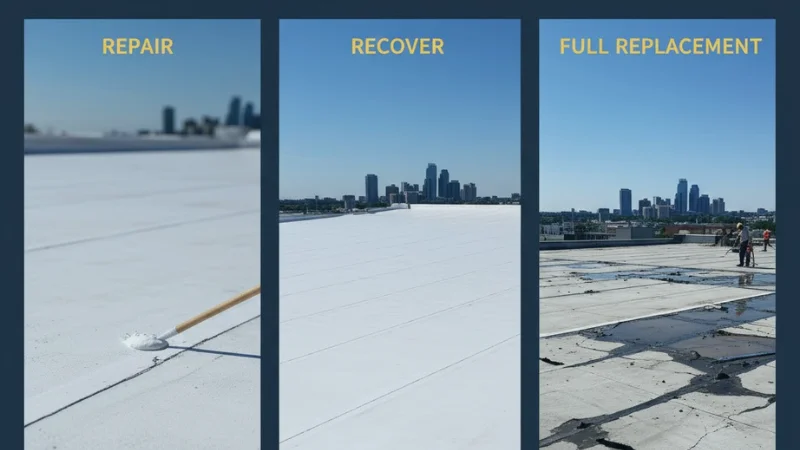
Aging TPO roofs show signs of action. Leaks signal quick fixes. However, ignore and structure rots. So, assess damage. Age over 15 years prompts checks. For instance, warranties end then. But extend with layers. Therefore, options are open.
Costs guide decisions, too. As a result, repairs save small amount. Yet, full swaps clean deep. Thus, pros advise. Building codes affect choices. Consequently, new rules force updates. However, old ones allow recovery. Also, downtime matters.
Insurance covers some events. So, storms trigger claims. But wear is the owner’s cost. Therefore, plan funds. Timeline sets urgency. For example, wet seasons push fast. Yet, dry times ease work. Thus, schedule smart.
Signs Your TPO Roof Is Near the End of Its Life
Ponding water stays after rain. Drains fail or sag forms. However, fix slopes quickly. So, avoid interior harm. Seams split from movement. Wind pulls them open. But reseal holds short. Therefore, note widening.
Cracks appear from drying out. The sun bakes the top. Yet, patches cover a small area. Thus, count many as the end. Blisters bubble with trapped air. Heat expands them. However, pop leads to holes. Also, soft spots sink.
Fading color loses reflection. As a result, bills rise. But recoat revives. Therefore, track hue. The membrane thins over the years. Consequently, tears easily. Yet, measure spots. So, widespread means replace.
Recover vs. Tear-Off Options
Recover adds a new layer over the old. Saves removal labor. However, the base must hold. So, inspect first. Tear off strips all down. Finds hidden rot. But trash hauls cost. Therefore, fully clean.
Weight limits guide. For example, structures take extra. Yet, heavy needs tear. Thus, the engineer checks. Time differs big. As a result, recover quickly. However, the ear job extends. Also, weather delays both.
Costs favor recovery often. Consequently, less disruption. But tear ensures long. Therefore, balance needs. Permits vary by method. So, recover simpler. Yet, tear meets codes. Thus, local rules decide.
Is a TPO Roof a Good Long-Term Choice for Your Building?
TPO offers value for flat roofs. It installs fast and cheaply. However, energy savings add up. So, many buildings fit. Durability suits commercial use. For example, stores stay cool. But upkeep keeps strong. Therefore, commit to care.
Compared to others, it balances cost. As a result, returns good. Yet, the weather must match. Thus, check locally. Green features appeal now. Reflection lowers carbon. However, recycle at the end. Also, warranties protect. Owners report few issues. Consequently, satisfaction is high. But pros install best. Therefore, yes for many. Future updates are easy. So, coatings extend further. Yet, plan a budget. Thus, long-term smart pick.