
Is Roofing Felt Waterproof?
Roofing felt is often referred to as waterproof by some people, which leads many homeowners to ask, “Is Roofing Felt Waterproof?” In reality, it resists water rather than blocking it completely. This material is installed under shingles to protect against leaks. When rain hits, its real performance matters more than the label.
First, consider what roofing felt does during storms. It lets some moisture pass through if exposed for too long. However, when installed right, it keeps most water out until the final layer goes on. So, while not fully waterproof, it handles light rain well.
Next, think about different types of felt. Some versions absorb water more than others. Yet, all aim to shield the roof deck from damage. Therefore, understanding its limits helps in choosing the best option for your home.
What Roofing Felt Waterproof Is and How It Works
Roofing felt is a layer made from paper or fiberglass soaked in asphalt. It goes between the roof deck and shingles. This setup stops water from seeping in right away. Plus, it adds strength to the whole roof system.
When rain falls, the felt absorbs some moisture but doesn’t let it through easily. The asphalt coating repels water to a point. As a result, it buys time during installation. Still, it’s not meant to face the weather alone for weeks.
In addition, felt helps with wind resistance. It holds shingles in place better. Consequently, roofs last longer with this underlayment. But remember, its main job focuses on moisture control rather than total waterproofing.
Moreover, installation matters a lot here. Workers nail or staple it down flat. If done poorly, gaps form, and water sneaks in. Therefore, proper overlap ensures better performance against leaks.
How Water-Resistant Roofing Felt Really Is
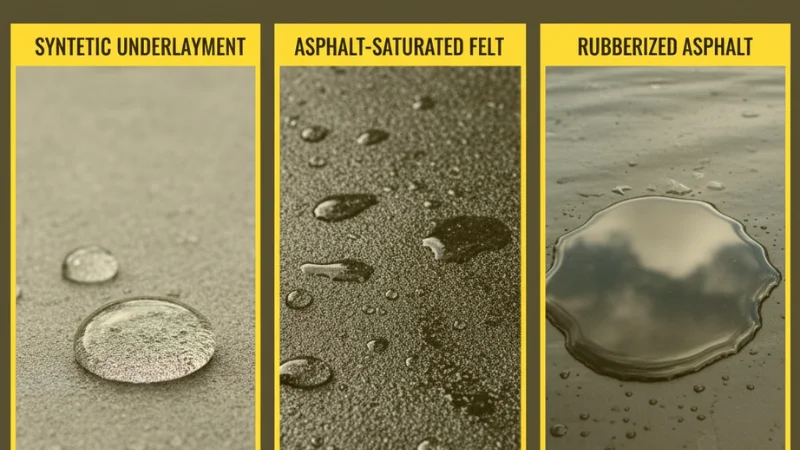
Roofing felt resists water but isn’t fully waterproof. This is where many people circle back to the same concern: Is Roofing Felt Waterproof? It can handle short rain showers without issues. However, heavy downpours over time cause problems. So, treat it as a temporary barrier.
Furthermore, the material’s thickness affects resistance. Thicker felt holds up better against moisture. Yet, even the best ones allow vapor through. This breathability prevents mold under the roof. In contrast, some modern felts improve on old versions with better coatings. Still, Is Roofing Felt Waterproof? Not entirely, and homeowners should know this to avoid surprises.
Types of Roofing Felt and Their Moisture Protection
Different roofing felts offer varying levels of water resistance. Traditional ones use organic materials. Synthetic types last longer in wet conditions. Each has pros for specific roofs. Moreover, choose based on your area’s weather. Wet climates need stronger options. Dry places can use basic felt. So, matching the type to needs boosts roof life. Additionally, some felts come with rubber additives. These enhance flexibility and seal better. But all still require top layers for full protection. Understanding differences guides better decisions.
Asphalt-Saturated Felt
Asphalt-saturated felt is the classic choice for many roofs. It soaks paper in asphalt for basic water resistance. This type works well under shingles. But it tears easily if wet for too long. When dry, it lies flat and secure. Rain makes it soft and prone to damage. Therefore, cover it fast during installs. Many builders prefer it for cost reasons.
Besides that, it comes in rolls of different weights. Heavier ones resist water more. Lighter versions suit quick jobs. Pick wisely to match your project. In wet areas, it might not hold up alone. Pair it with other barriers. This combo strengthens overall moisture control. Homeowners often see good results this way.
Synthetic Underlayment Options
Synthetic underlayment uses plastic fibers instead of paper. It resists tears and water better than traditional felt. Plus, it’s lighter to handle on jobs. Many pros switch to this for durability. During rain, it sheds water without absorbing much. This keeps the deck dry longer. As a result, installs can pause safely. It’s pricier but worth it in tough weather.
Furthermore, synthetics allow vapor escape. This stops trapped moisture issues. So, roofs stay healthier over time. Consider it for sloped roofs, especially. Unlike asphalt felt, synthetics don’t wrinkle in heat. They lay smoother for better seals. Consequently, fewer leaks occur. Builders recommend them for modern homes.
Self-Adhering Underlayment
Self-adhering underlayment sticks directly to the deck. It forms a tight seal against water. This type shines in valleys and edges. Ice dams can’t penetrate it easily. Peel off the backing and press it down. No nails needed in some spots. Thus, it speeds up work. But use it where leaks happen most.
In addition, it combines well with other felts. Layers add extra protection. However, the cost runs higher per square. Weigh the benefits for your roof. For cold climates, it’s a top pick. It blocks ice melt from sneaking under. So, interiors stay dry. Many codes require it in risky areas.
What Happens If Roofing Felt Gets Rained On
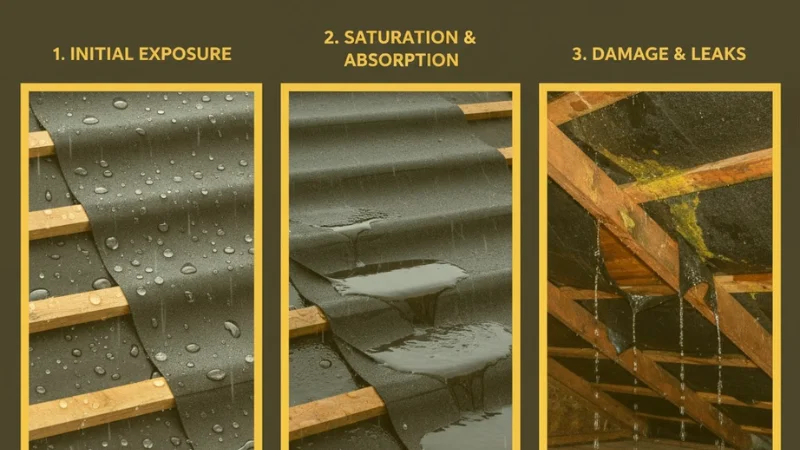
Rain on roofing felt isn’t ideal, but it often happens. Short exposure might not cause harm. However, prolonged wetness leads to issues. Cover it quickly to avoid trouble. For instance, light rain dries out fast. But heavy storms soak it through. As a result, the deck below gets wet. Plan installs around clear days.
Moreover, felt can wrinkle or bubble when damp. This affects shingle placement later. Therefore, inspect after rain. Fix problems before proceeding. In some cases, it molds if left wet. Air it out properly. Quick action prevents bigger roof leak repair in NJ. Homeowners should monitor the weather closely.
Short-Term Exposure
Short-term rain on felt usually poses no big risk. It can dry in a day or two. But check for pooling water. Drain it to speed recovery. If sunny weather the feel-good rebounds well. No lasting damage often occurs. Thus, work can resume soon. Many jobs handle this fine.
However, avoid walking on wet felt. It slips and tears easily. Safety comes first here. Wait for dry conditions. Repeated short rains add up, though. Monitor each time closely. Cumulative moisture weakens it. Replace if needed.
Signs of Water Damage or Failure
Furthermore, the material’s thickness affects resistance. Thicker felt holds up better against moisture. Yet, even the best ones allow vapor through. This breathability prevents mold under the roof. In contrast, some modern felts improve on old versions with better coatings. Still, Is Roofing Felt Waterproof? Not entirely, and homeowners should know this to avoid surprises.
Additionally, mold growth appears as fuzzy patches. It spreads if unchecked. Health risks follow. Remove affected areas promptly. Tears from wind or feet worsen damage. Water enters freely then. Inspect the whole roof. Full replacement might be necessary.
How to Protect Roofing Felt From Excess Moisture
Protect felt by timing installs right. Check forecasts before starting. Cover exposed areas with tarps. This keeps the rain off effectively. Use quality materials from the start. Cheap felt fails faster in wet weather. Invest in better grades. Long-term savings result.
Furthermore, seal edges and overlaps well. Nails or tape secure them. Water can’t sneak in easily. Proper technique matters here. Store rolls indoors before use. Damp storage ruins them early. Dry spots prevent issues. Simple steps make a difference.
Best Practices During Installation
Overlap felt rows by at least four inches. This channels water down. No gaps form then. Secure with enough fasteners. Start from the bottom up. Gravity helps shed rain. Work in sections if needed. Finish one before exposing more.
In addition, use drip edges at eaves. They direct water away. Gutters catch the rest. The system works together. Avoid working in the rain if possible. Delay for clear skies. Rushed jobs lead to mistakes. Patience pays off.
Choosing the Right Underlayment for Your Roof
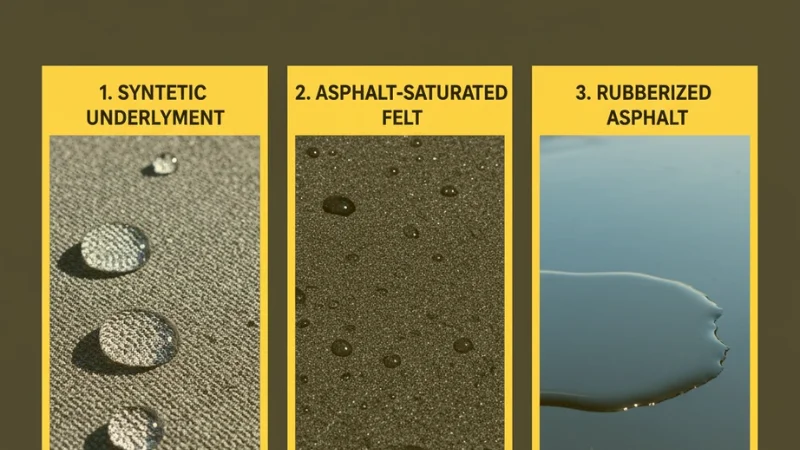
Match underlayment to roof slope and climate. Steep roofs drain faster. Flat ones need stronger barriers. Local codes guide choices. Consider budget and longevity, too. Synthetics cost more but last. Asphalt suits simple jobs. Balance needs to be maintained carefully.
Talk to pros for advice. They know regional bests. Custom fits work better. Your roof benefits most. Test samples if unsure. See how they handle water. Informed picks reduce risks. Happy results follow.
When Wet Felt Becomes a Problem
Wet felt turns problematic after days of exposure. It loses strength and shape. Leaks start then. Address it early. For example, if rain soaks it repeatedly, decay sets in. Wood below rots too. Costs rise for fixes. Prevention beats cure.
Moreover, insurance might not cover neglect. Document weather events. Proof helps claims. Stay proactive always. Signs like odors signal deep issues. Musty smells mean mold. Investigate fully. Health comes first.
When Replacement Is Necessary
Replace felt if it stays wet for over a week. Saturation ruins its purpose. New layers restore protection. Don’t risk it. Torn or bubbled areas need swaps, too. Patches work for small spots. But widespread damage requires a full redo. Assess honestly.
After storms, check underneath. Hidden water causes surprises. Dry everything before covering. Thoroughness saves money. Old felt past its prime fails faster. Age factors in decisions. Fresh installs perform best. Plan accordingly.
How Long can Felt stay Exposed Safely?
Felt can stay exposed for a few days safely. The ideal limit is 48 hours. Beyond that, risks grow. The weather dictates the exact time. In dry climates, it extends to a week. But humidity shortens it. Monitor daily. Adjust plans as needed.
Manufacturers give guidelines, too. Follow their advice. Warranties depend on it. Compliance protects you. Test by touch for dryness. Sticky or soft means wait. The firm feels ready. Simple checks help.
Final Thoughts On Is Roofing Felt Waterproof?
Roofing felt provides good water resistance when used correctly. But it’s not waterproof on its own. Pair it with shingles for best results. Knowledge guides smart choices. Think about your roof’s needs carefully. Pick the right type and install well. Maintenance keeps it effective. Long roofs start here. In the end, consult experts for doubts. They spot issues early. Your home stays dry. Peace of mind follows.